
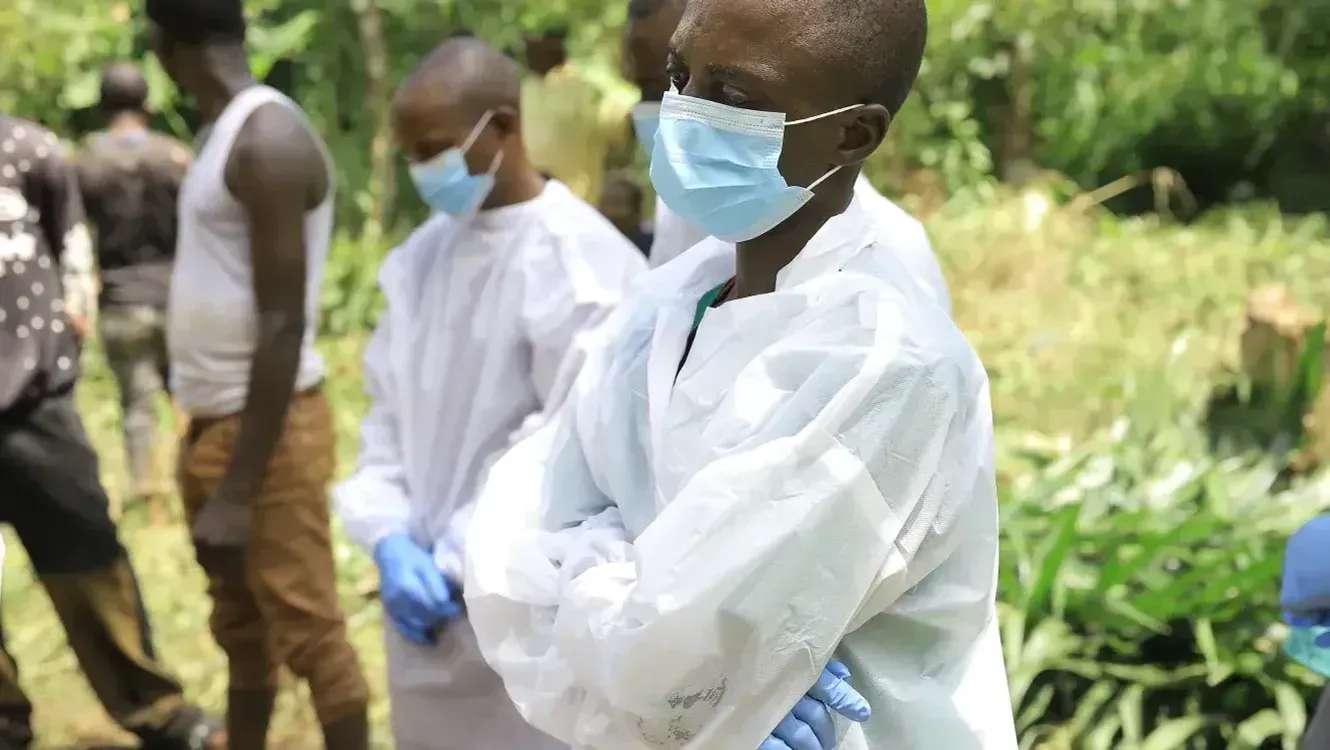
The Democratic Republic of Congo is grappling with the fastest growing Ebola outbreak in recorded history, with confirmed cases now surpassing 12,000. According to recent data from the Ministry of Health, nearly half of those infected have perished, placing this crisis on a trajectory to exceed the devastating death toll seen during the West African epidemic years ago. This particular surge is driven by the rare Bundibugyo virus, a strain that currently lacks an approved vaccine or specific medical treatment, leaving healthcare providers with few tools beyond basic isolation and containment.
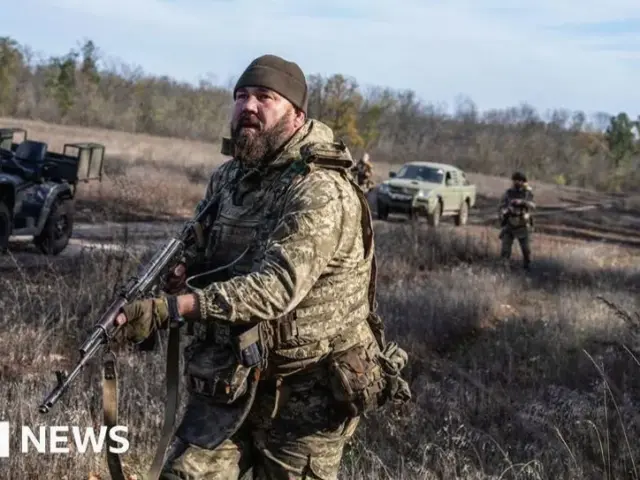
Efforts to halt the transmission are being severely undermined by a volatile security situation in eastern Congo. Violent clashes between the national army and the Convention pour la revolution populaire rebels have turned critical response zones into battlegrounds. In towns like Iga Barriere, renewed fighting has triggered fresh waves of displacement, pushing thousands of people toward Bunia, a primary hub for medical operations. These movements make it nearly impossible for teams to monitor those exposed to the virus or ensure that deceased victims are buried safely to prevent further contagion.
The danger extends directly to those trying to save lives. Dr. Catherine Smallwood of the World Health Organization reported that several staff members recently had to be evacuated after being trapped for three days inside a hospital in Akwe while caught in intense crossfire. With limited access to remote communities due to poor infrastructure and active warfare, many treatment centers are operating shorthanded at a time when they are needed most.
Beyond the physical conflict, responders are facing a wall of social resistance rooted in deep mistrust and widespread misinformation among local populations. Because Ebola requires strict protocols regarding patient isolation and burial rites, these cultural tensions often boil over into violence against health workers. As long as armed conflict continues to destabilize the region and displace its citizens, experts fear the window to contain this deadly outbreak is rapidly closing.