

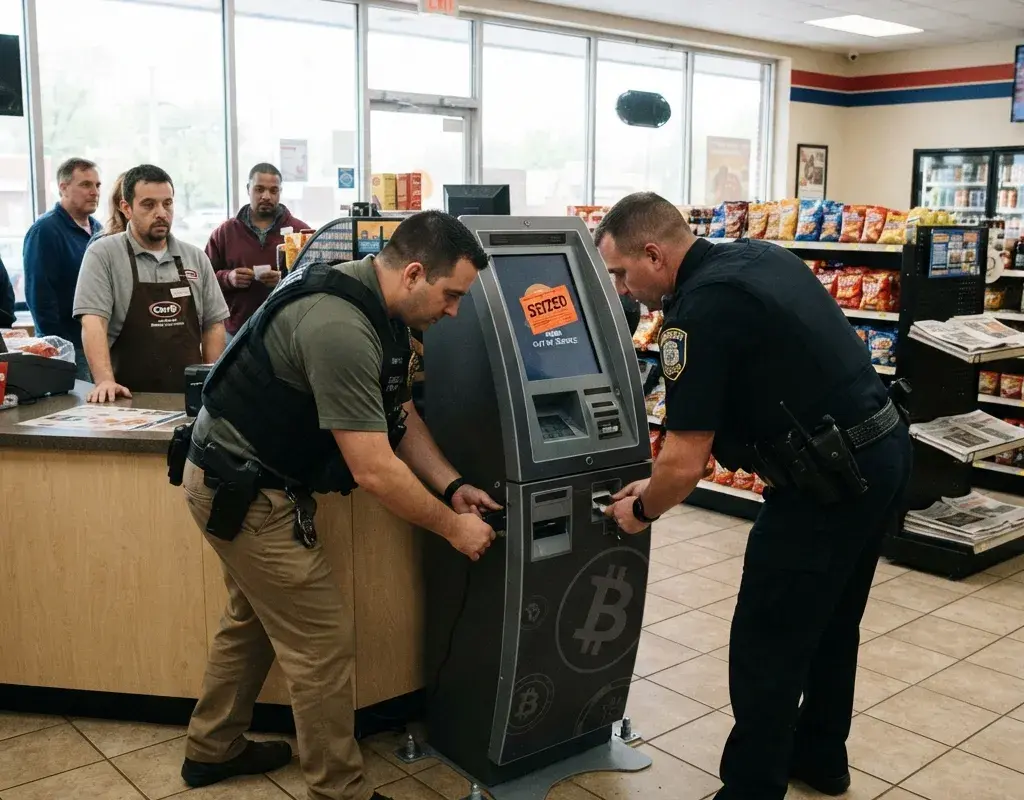
Across the United States, local and state governments are moving swiftly to erase cryptocurrency kiosks from public spaces as financial losses from sophisticated scams reach staggering heights. Once viewed as convenient gateways to digital assets, these machines have become primary tools for fraudsters who trick victims into feeding piles of cash into terminals via QR codes. This trend has sparked a legislative shift away from simple regulation toward total prohibition, with states like Indiana, Minnesota, Tennessee, and Vermont enacting statewide bans recently. Local municipalities in Massachusetts and beyond are following suit, viewing the hardware as a catalyst for crime rather than a financial service.
The scale of the crisis is reflected in recent FBI data showing nearly 389 million dollars in reported losses across thousands of complaints. While scammers target all demographics, those over age 50 bear the brunt of the damage, accounting for over 300 million dollars in lost funds. Criminals often pose as government agents or bank employees, keeping victims on the phone to coach them through withdrawals and deposits under threats of arrest or promises of safety. Younger people are also being targeted through predatory sextortion schemes, where teenagers are coerced into making rapid payments to prevent the release of private images.
Industry operators argue that blanket bans punish legitimate users and suggest that enhanced security measures, such as holding periods and better ID verification, can mitigate risk. However, many lawmakers find these concessions insufficient given that cryptocurrency transactions are virtually impossible to reverse once completed. In some cases, investigations have revealed an alarming correlation between kiosk usage and fraud; one attorney general noted that the vast majority of certain company transactions in their state were tied directly to scams.
As legal battles intensify and major providers face bankruptcy or lawsuits, critics say every single day without strict prohibitions leaves citizens vulnerable to life-altering theft. Even law enforcement officers expressed mixed feelings about the crackdown, noting that while kiosks facilitate crime, they leave a public blockchain trail that is sometimes easier to track than other clandestine payment methods. Despite these concerns, advocates for the bans maintain that protecting innocent people from immediate loss outweighs any investigative benefit provided by the existence of these machines.